Actors in Time
Animal Histories, Behavioural Plasticity, and the Medieval Past
DOI:
https://doi.org/10.52537/humanimalia.28276Keywords:
medieval animals, behavioural plasticity, human–animal relations, animal history, shifting baseline syndrome, ethology, medieval EuropeAbstract
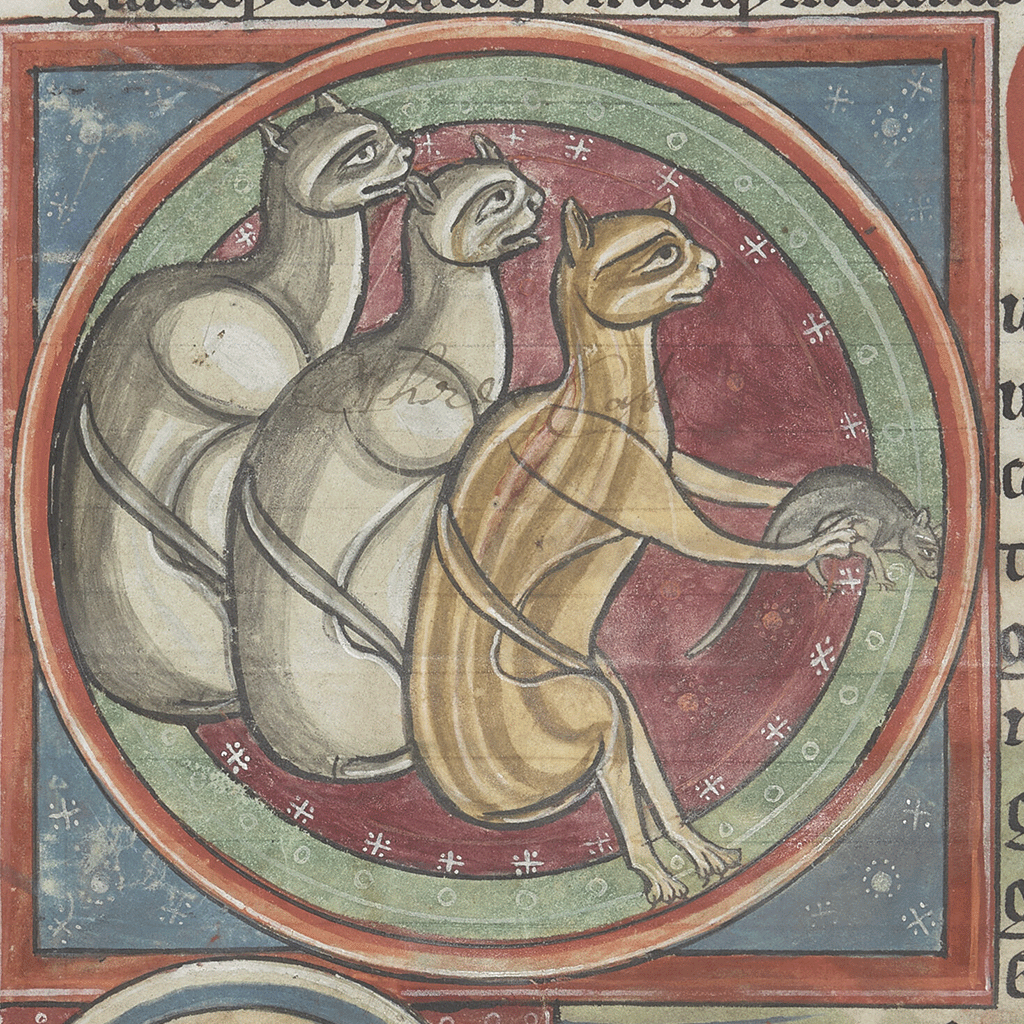
This paper responds to Éric Baratay's call to locate animal behavioural plasticity in time, with particular reference to medieval Europe. It argues that attending to temporal scale enables historians to trace how environmental pressures, human activity, and interspecies contact shaped animal behaviour across generations — making visible patterns of adaptation that single-period studies cannot reveal — and exposes the contingency of human–animal relationships that might otherwise appear natural or inevitable. Drawing on medieval sources ranging from falconry manuals and hunting treatises to Irish legal tracts and monastic poetry, the paper explores how medieval observers documented individual variation, emotional life, and learned behaviour in hawks, dogs, foxes, and cats. It engages ethological and ecological models to interpret cases including the extinction of the wolf in medieval England and the progressive adaptation of the domestic cat to human and urban environments. The paper concludes that writing animal histories across large temporal scales is not only a scholarly imperative but an ethical one: it counters shifting baseline syndrome, holds ecological loss in view, and keeps readers attentive to the ongoing biodiversity crisis.
Downloads
Published
Issue
Section
License
Copyright (c) 2026 Sophie Page (Author)

This work is licensed under a Creative Commons Attribution 4.0 International License.
How to Cite